
Table of Contents
The introduction of the Royal Enfield Classic 650 in North America represents the latest chapter in a motorcycle lineup that has played a huge role in transforming one of the world’s oldest motorcycle brands.
The Classic series traces its inspiration back to the legendary 1948 Bullet 350. When Royal Enfield launched the modern Classic 350 and Classic 500 for the 2009 model year, the bikes were initially aimed at international markets. Unexpectedly, riders in India—where Royal Enfield has been building motorcycles since the mid-1950s—quickly demanded access to the same retro-styled machines.
Royal Enfield responded by introducing the Classic lineup domestically, a move that would eventually become one of the most significant decisions in the company’s history.
How the Classic Line Changed Royal Enfield
To understand the impact of the Classic models, it helps to look at the numbers.
Before the launch of the Classic series, Royal Enfield’s global sales were below 50,000 motorcycles annually. The retro-inspired design combined with simple, engaging riding characteristics struck a chord with riders around the world.
Demand quickly surged.
Over the following years the company expanded production facilities and increased global distribution. Today Royal Enfield operates in more than 80 countries, employs over 22,000 people, and sells over one million motorcycles each year.
The Classic models played a major role in that remarkable growth.
Evolution of the Classic Platform
The Classic lineup hasn’t remained static over the years.
A major update arrived in 2022 with the redesigned Classic 350, featuring a new 349cc single-cylinder engine, fuel injection, ABS braking, and a completely revised chassis. Despite these modern upgrades, Royal Enfield was careful to preserve the brand’s philosophy of simple motorcycling—machines designed with “everything you need and nothing you don’t.”
However, one noticeable change in the lineup was the absence of a twin-cylinder Classic model. Earlier versions had offered a parallel-twin option, but that configuration disappeared after the platform update.
That absence didn’t last long.
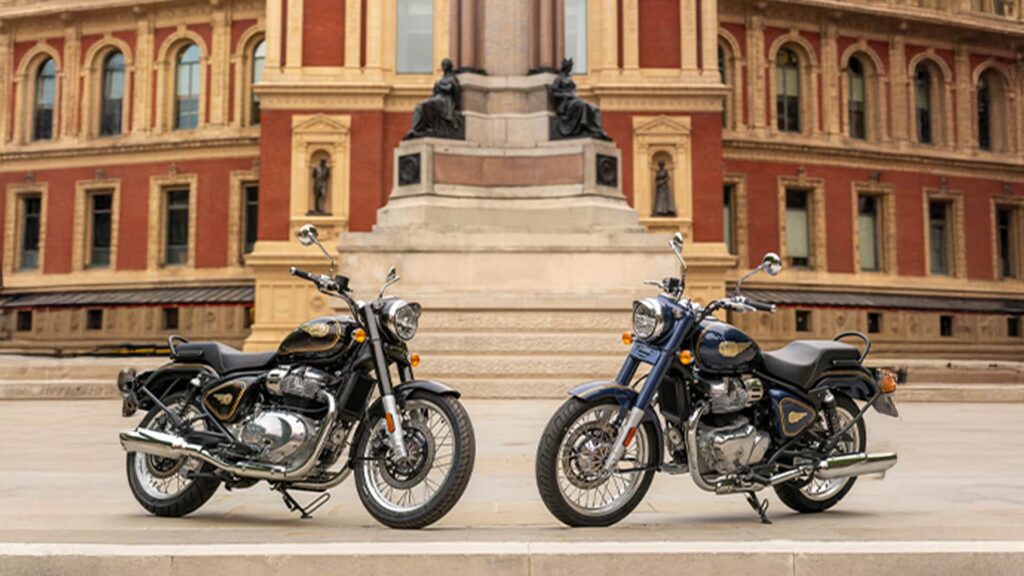
To celebrate 125 years of uninterrupted motorcycle production, Royal Enfield introduced the 2026 Classic 650, bringing twin-cylinder performance back to the iconic retro platform.
Classic Design Meets a Modern Twin Engine
At the heart of the new Classic 650 is Royal Enfield’s proven 648cc parallel-twin engine, the same powerplant used in models such as the Super Meteor and Shotgun.
The engine produces:
47 horsepower at 7,150 rpm
38 lb-ft of torque at 5,250 rpm
Those numbers might not chase outright superbike performance, but they offer smooth power delivery and enough torque for relaxed highway cruising—perfect for the long roads often found across North America.
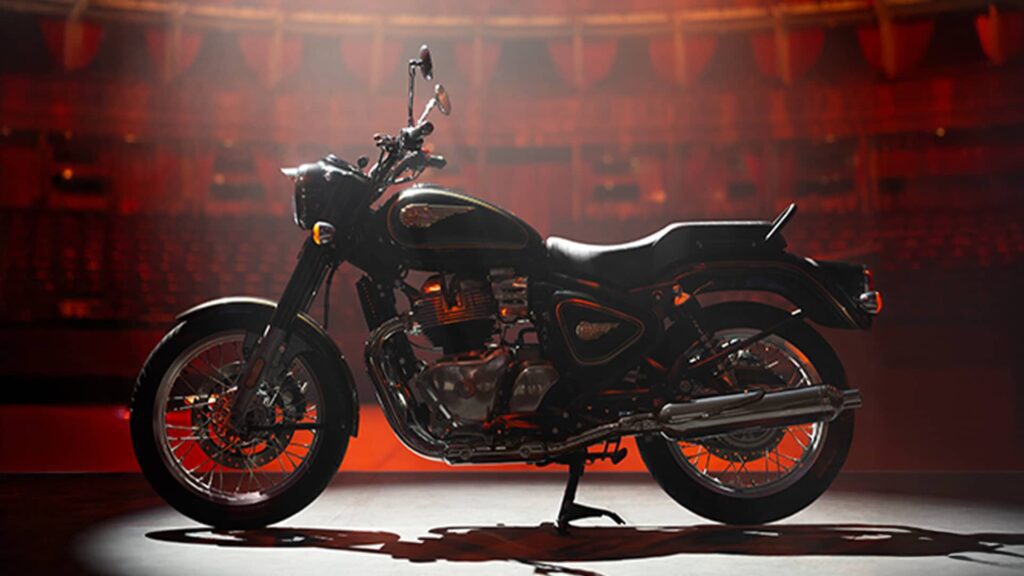
Classic Styling With Premium Details
While the engine comes from Royal Enfield’s 650 platform, the design remains unmistakably Classic.
The bike incorporates several traditional elements that define the Classic series:
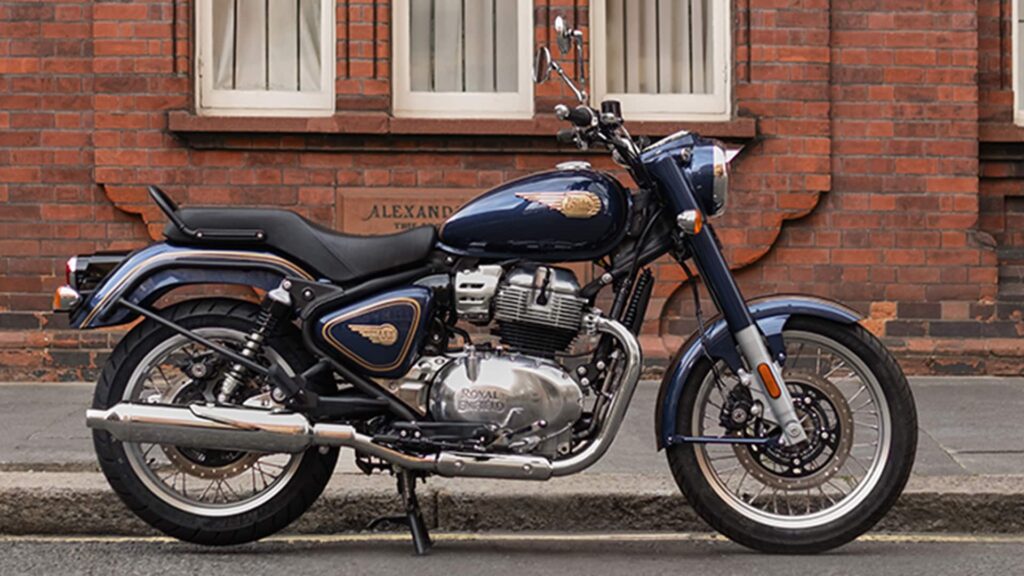
Polished aluminum engine covers
Wire-spoke wheels
Dual pea-shooter exhaust pipes
Extensive chrome detailing
The signature teardrop-shaped fuel tank, highlighted by hand-painted pinstriping, adds to the vintage appearance. Up front, the distinctive casquette-style headlight nacelle reinforces the motorcycle’s unmistakable Royal Enfield identity.
Despite the retro inspiration, the build quality feels thoroughly modern. Paint finishes, chrome work, and component fitment are impressive and demonstrate the brand’s continued push toward higher manufacturing standards.
Classic Looks With Modern Technology
Royal Enfield carefully balanced vintage style with contemporary functionality.
The instrument cluster maintains an analog speedometer, preserving the bike’s traditional character. Beneath it sits a small LED screen providing additional information for the rider.
Another modern feature is Royal Enfield’s Tripper navigation pod, included as standard equipment. The system connects to a smartphone via Bluetooth and offers turn-by-turn navigation as well as basic phone and music controls.
The result is a cockpit that looks old-school but still delivers modern convenience.
Riding Position and Ergonomics
Swinging a leg over the Classic 650 reveals a riding position that differs slightly from other Royal Enfield 650 models.
With a seat height of 800 mm (31.5 inches), riders sit more upright and slightly higher compared to models like the Super Meteor. Combined with mid-mounted foot pegs and a wide handlebar, the ergonomics feel comfortable and relaxed.
The wheel setup—19 inches in the front and 18 inches in the rear—also contributes to the bike’s distinctive feel on the road.
Suspension duties are handled by:
43 mm telescopic front forks
Twin rear shock absorbers
Together they provide a compliant ride that absorbs road imperfections effectively.
Riding Through the Streets
Early test rides included navigating tight streets and heavy traffic conditions. Despite its retro appearance, the Classic 650 proved easy to handle at lower speeds.
The larger front wheel helps the motorcycle tip into corners smoothly, while the upright riding position provides good visibility in traffic.
Braking is handled by:
320 mm front disc with twin-piston caliper
300 mm rear disc
Although the bike uses a single front disc instead of a dual-disc system found on sport bikes, braking performance feels appropriate for the Classic’s 243 kg wet weight.
Smooth Highway Performance
Once out on open roads, the biggest surprise from the Classic 650 is how refined the engine feels.
Twin-cylinder Royal Enfield engines are known for smooth operation, and vibration levels on the Classic are impressively low. Through the handlebars, seat, and footpegs, there’s little noticeable vibration even at cruising speeds.
The engine delivers strong low-end torque, making highway riding relaxed and enjoyable.
However, one thing riders will immediately notice is the lack of wind protection. With its upright seating position and minimal bodywork, the rider is fully exposed to the wind at higher speeds. For shorter rides this enhances the classic motorcycling experience, but on longer journeys a windshield might be welcome.
At launch, Royal Enfield offers a wide selection of accessories, including luggage, guards, mirrors, and seats. A windshield option may appear later as part of the accessory lineup.
Pricing and Market Position
In North America the Classic 650 carries an MSRP of $9,999 CAD, positioning it as a relatively affordable mid-displacement motorcycle.
That pricing could make it attractive to several types of riders:
Those looking for an affordable twin-cylinder cruiser
Fans of vintage motorcycle styling
New or returning riders seeking a manageable but capable bike
Royal Enfield also backs the motorcycle with a three-year warranty, adding additional value.
Final Thoughts
With the Classic 650, Royal Enfield has successfully combined vintage design with modern mechanical reliability.
The bike captures the timeless appeal of the Classic lineup while introducing the smooth performance of the company’s popular 650 twin engine. For riders drawn to retro styling but unwilling to sacrifice modern convenience, the Classic 650 offers a compelling option.
If the earlier Classic models helped transform Royal Enfield into a global powerhouse, the Classic 650 appears ready to continue that success story.
2026 Royal Enfield Classic 650 Specifications
Engine: Parallel twin
Displacement: 648 cc
Power: 47 hp @ 7,150 rpm
Torque: 38 lb-ft @ 5,250 rpm
Fuel System: Fuel injection
Transmission: 6-speed
Frame: Steel tubular spine frame
Wheelbase: 1,475 mm
Seat Height: 800 mm
Suspension (Front): 43 mm telescopic fork
Suspension (Rear): Twin shock absorbers
Brakes (Front): 320 mm disc with twin-piston caliper
Brakes (Rear): 300 mm disc
Tires:
Front – 100/90-19
Rear – 140/70-18Fuel Capacity: 14.8 litres
Wet Weight: 243 kg
Colours: Teal, Vallam Red, Black Chrome
Also read – Best Electric Dirt Bike for Off-Roading in 2025