

Table of Contents
The Sticker Price vs The True Cost of Superbike Ownership
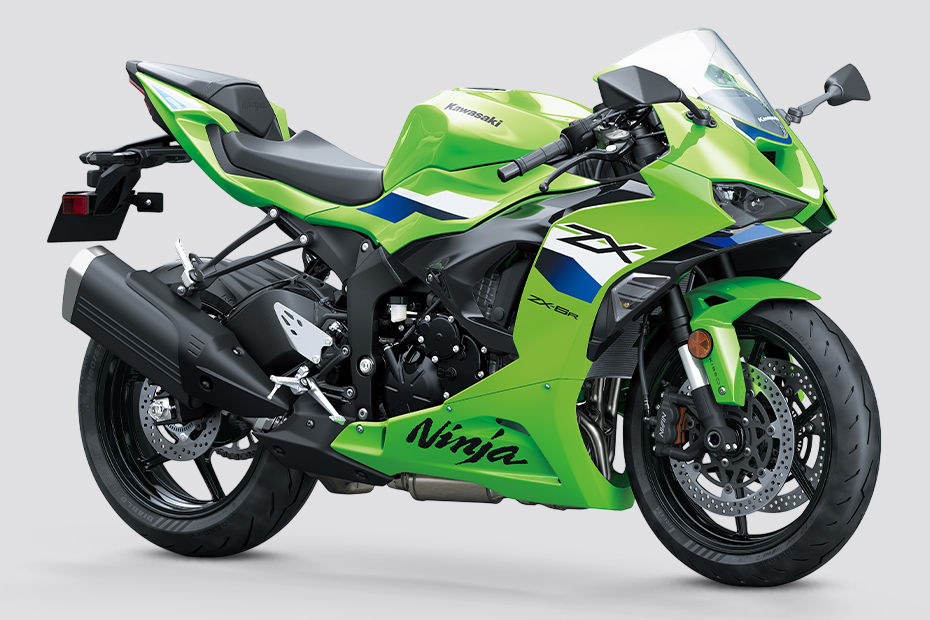
Walking into a dealership to sign for a brand-new superbike is one of the most exhilarating moments in any rider’s life. Whether it’s a high-revving 600cc middleweight supersport like the Kawasaki Ninja ZX-6R or a fire-breathing 1000cc literbike like the Ducati Panigale V4 or BMW S 1000 RR, the showroom math often seems straightforward: monthly loan payments, a helmet, and a tank of gas.
However, within thirty days of signing, hundreds of new owners across the United States experience an abrupt shock: the post-purchase cost of ownership. Between comprehensive and collision insurance policies, extreme tire wear, scheduled valve adjustments, and dealer freight/prep fees, the cost to keep a high-performance sportbike on the road can easily eclipse the original motorcycle loan payment.
In this guide, we break down real-world empirical data on insurance premiums, state-by-state rate fluctuations, routine maintenance cycles, and the exact financial difference between owning a 600cc supersport versus a 1000cc open-class superbike in 2026.

How US Insurance Underwriters Classify Sportbikes
To understand why motorcycle insurance rates vary so wildly, you have to look through the eyes of an insurance actuary at major US carriers like Progressive, GEICO, Dairyland, and State Farm. Underwriters do not view motorcycles merely by purchase price; they assess statistical loss ratios determined by four primary pillars:
- Power-to-Weight Ratio & Engine Displacement: A 400 lb motorcycle producing 200+ horsepower possesses a power-to-weight ratio superior to a million-dollar hypercar. Insurers classify motorcycles into displacement brackets: sub-400cc, 401cc–750cc, and 751cc+. The jump from 600cc to 1000cc pushes a vehicle from the middleweight performance tier directly into the unrestricted superbike tier.
- Theft Statistics: Sportbikes are disproportionately targeted by professional theft rings compared to cruisers or adventure tourers due to the high resale value of aftermarket bodywork, engines, and track-day components.
- Fairing & Replacement Part Costs: Even a zero-speed tip-over in a parking lot can crack multiple OEM carbon or ABS fairings, scratch an exhaust canister, and scuff clip-on handlebars—turning a minor cosmetic drop into a $3,500 insurance claim.
- Claim Frequency & Severity: Historically, sportbike accident claims involve higher medical payouts and total-loss write-offs than standard street motorcycles, directly inflating liability and collision premiums.
Real-World Insurance Costs: 600cc Supersport vs 1000cc Literbike
Insurance quotes in the USA vary depending on whether you purchase basic state-minimum liability or a comprehensive full-coverage policy (which is mandatory if you finance your motorcycle through a bank or credit union):
| Coverage Type & Tier | 600cc Supersport (e.g. ZX-6R, CBR600RR) | 1000cc Literbike (e.g. S1000RR, Panigale V4, ZX-10R) |
|---|---|---|
| State Minimum Liability Only | $250 – $480 / year | $400 – $750 / year |
| Full Coverage (Clean Record, 30+ yrs old) | $950 – $1,650 / year | $1,850 – $3,400 / year |
| Full Coverage (Rider Age 21–24) | $2,400 – $4,200 / year | $4,500 – $8,500+ / year |
| Comprehensive Deductible ($500) | Standard | High-risk surcharge applied |
| Average Monthly Payment (Full Cov.) | $80 – $140 / month | $155 – $290+ / month |
On average, stepping up from a 600cc supersport to a 1000cc superbike results in a 60% to 110% increase in full-coverage insurance premiums for the exact same rider profile. Over a standard 3-year ownership cycle, an owner of a 1000cc bike can expect to pay anywhere from $3,000 to $6,000 more in insurance alone than a 600cc rider.
The Age Penalty: Why Under-25 Riders Face Staggering Rates
If you are a male rider under the age of 25 in the United States, obtaining insurance on a 1000cc superbike can prove financially prohibitive. Actuarial data indicates that young riders on high-displacement sportbikes represent the highest fatality and severe-crash statistics across all vehicle categories.
It is not uncommon for a 22-year-old rider in Florida or California with a financed $18,000 literbike to receive insurance quotes ranging from $6,000 to over $9,000 annually—effectively costing more than half the value of the motorcycle every two years. For young enthusiasts, choosing a 600cc machine or modern twin (such as an Aprilia RS 660 or Yamaha R7) can cut that financial penalty in half while still delivering sensational performance.
State-by-State Discrepancies: California, Florida & Texas vs The Midwest
Your physical zip code plays an immense role in determining your insurance premium. Key geographical factors include:
- Year-Round Riding Climates (California, Florida, Arizona, Texas): Because riders can commute and ride twisty roads 12 months a year, annual mileage is substantially higher. Combined with high vehicle density, metropolitan theft rates, and severe traffic congestion, these states feature the highest average motorcycle insurance rates in the nation.
- Short-Season States (Ohio, Wisconsin, Michigan, Colorado): In regions where winters park motorcycles in garages for 4 to 5 months, average claim frequency drops dramatically, yielding 30% to 45% lower annual premiums.
- No-Fault & Uninsured Motorist Laws: States like Florida—where personal injury protection (PIP) litigation and high uninsured driver rates drive up claim payouts—frequently see motorcycle premiums that double those in neighboring states like Georgia or the Carolinas.
Consumables & Maintenance: Tires, Chains & Valve Adjustments
Beyond insurance, operating a high-performance sportbike requires budgeting for aggressive consumable wear:
- Tire Longevity: Modern sticky hypersport tires (Pirelli Diablo Rosso IV Corsa, Michelin Power GP2, Dunlop Q5) offer immense grip at the expense of lifespan. While a 600cc machine running a 180-section rear tire typically yields 3,500 to 5,000 street miles, a 200+ hp literbike with a 200-section rear tire often cooks rear rubber in under 2,200 miles under spirited street riding. A set of premium tires costs $450 to $600 mounted and balanced.
- Chain and Sprocket Kits: The ferocious torque spikes of a 1000cc motor stretch 525/520 O-ring chains faster, requiring replacement every 10,000 to 14,000 miles ($220 – $320 installed).
- Desmo & Valve Clearances: High-revving 4-cylinder engines (Yamaha, Kawasaki, Honda) generally feature valve check intervals around 16,000 to 26,000 miles ($600 – $900 service). However, exotic Italian V4 powerplants (Ducati Panigale) require major Desmo Service intervals that run between $1,200 and $2,000 at authorized dealer networks.
7 Proven Strategies to Lower Superbike Insurance by 30% to 50%
If you are looking to purchase a sportbike in the USA, employ these proven strategies to minimize your annual premium:
- Complete an MSF Basic/Advanced RiderCourse: Almost every major insurer (Progressive, GEICO, State Farm) offers an automatic 10% to 15% policy discount upon presentation of a Motorcycle Safety Foundation completion certificate.
- Bundle Auto and Home/Renters Policies: Multi-policy discounts are the single fastest way to shave 20% off your overall bill.
- Install Monitored GPS Theft Recovery: Units like Monimoto or Datatool qualify you for substantial comprehensive theft discounts.
- Opt for Winter Lay-Up Endorsements: If you live in a northern state, select a policy that drops collision and road liability during winter months while maintaining comprehensive fire/theft coverage.
- Increase Your Deductible: Shifting your collision deductible from $250 to $1,000 can reduce your monthly premium by up to 25%.
- Join an Established Riding Club: Membership in organizations like the AMA (American Motorcyclist Association) or BMW MOA unlocks affiliated affinity discounts.
- Pay the Annual Premium in Full: Avoid installment fees and monthly administrative surcharges by paying the policy upfront.
3-Year Cost of Ownership Comparison: 600cc vs 1000cc
Here is an empirical calculation of total ownership expenses over 3 years (assuming 15,000 total street miles ridden by an experienced 28-year-old rider in the USA):
| Expense Category (3 Years / 15,000 Miles) | 600cc Middleweight Supersport | 1000cc Open-Class Superbike |
|---|---|---|
| Average Purchase Price (New MSRP) | $12,200 | $19,500 |
| Sales Tax, Freight & Dealer Doc Fees | ~$1,600 | ~$2,400 |
| Comprehensive & Collision Insurance (3 Yrs) | $3,600 ($1,200/yr) | $7,200 ($2,400/yr) |
| Tires (3 sets vs 5 sets installed) | $1,500 | $2,750 |
| Routine Oil, Filters & Fluids (6 services) | $550 | $750 |
| Chain, Sprockets & Brake Pads | $450 | $750 |
| Major Valve Clearance Service | $750 | $1,400 |
| Fuel (Estimated at $4.20/gal Premium) | $1,575 (~40 mpg) | $2,020 (~31 mpg) |
| Total 3-Year Operating & Maintenance Cost | $9,425 | $14,870 |
| Total Investment (Bike + 3-Year Expenses) | $23,225 | $36,770 |
Final Takeaway: Choosing the Right Displacement for Your Wallet
While the purchase price difference between a new 600cc and 1000cc sportbike is typically around $7,000 to $8,000 upfront, the true financial difference after 3 years of real-world ownership exceeds $13,500 when factoring in insurance premiums, high-rate tire consumption, and scheduled maintenance.
If your budget has plenty of headroom and your priority is unbridled straight-line acceleration and the pinnacle of electronic sophistication, a 1000cc superbike delivers an unmatched rush. But if you want to maximize track days, ride without financial anxiety, and enjoy an agile machine you can wring out to redline without doubling your insurance bill, modern 600cc supersports and middleweight twins remain the smartest pound-for-pound choice in the motorcycling world.
Have you received surprising insurance quotes on your motorcycle? Share your experience in the comments below, and explore our in-depth sportbike reviews and technical comparisons on Superbike Photos.


