

Table of Contents
The Last Stand of the 16,000 RPM Inline-Four Screamers
While modern middleweight motorcycling has undeniably shifted toward parallel-twins and crossplane triples—such as the Yamaha YZF-R9 and Aprilia RS 660—there remains an uncompromising cohort of riders for whom nothing compares to the visceral scream of a high-revving, 16,000 rpm Japanese inline-four.
In 2026, the traditional 600cc class has narrowed to a titanic duel between two legendary survivors: the Kawasaki Ninja ZX-6R (636cc) and the reborn, aero-winged Honda CBR600RR (599cc). With Yamaha retiring the road-going R6 and Suzuki pausing development on the GSX-R600, these two Japanese icons represent the pinnacle—and likely the final chapter—of the golden inline-four supersport lineage.
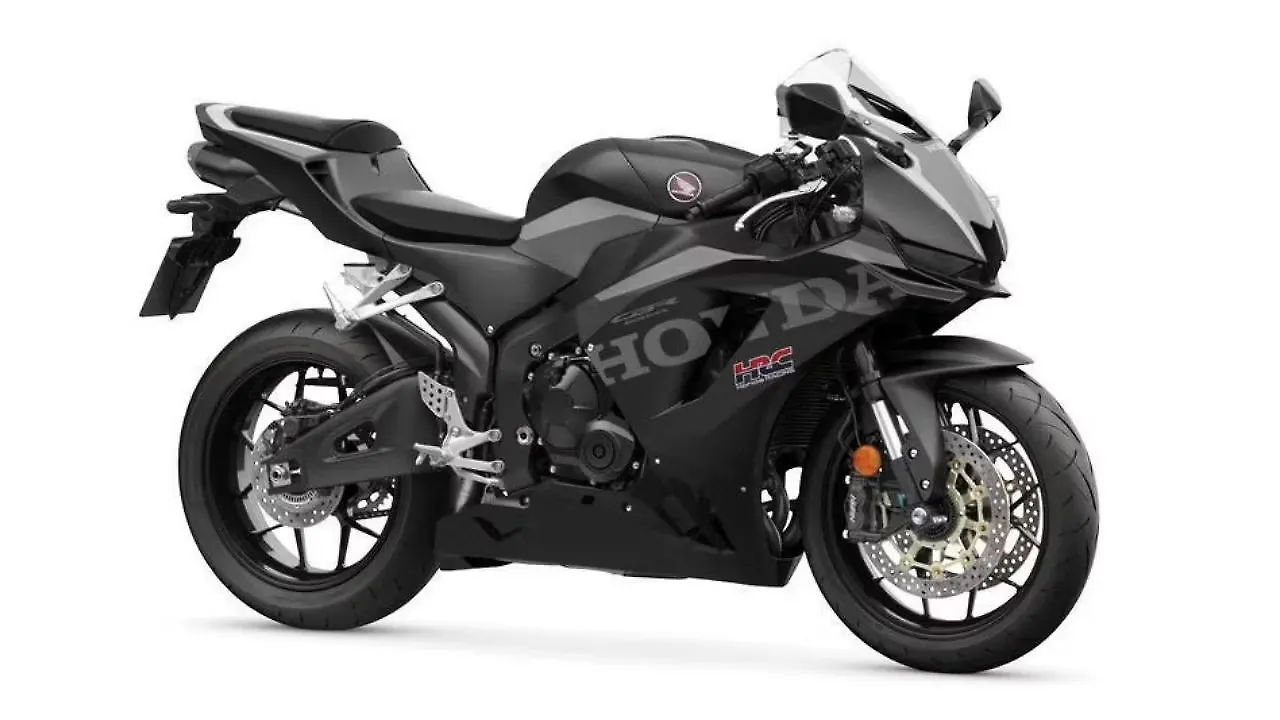
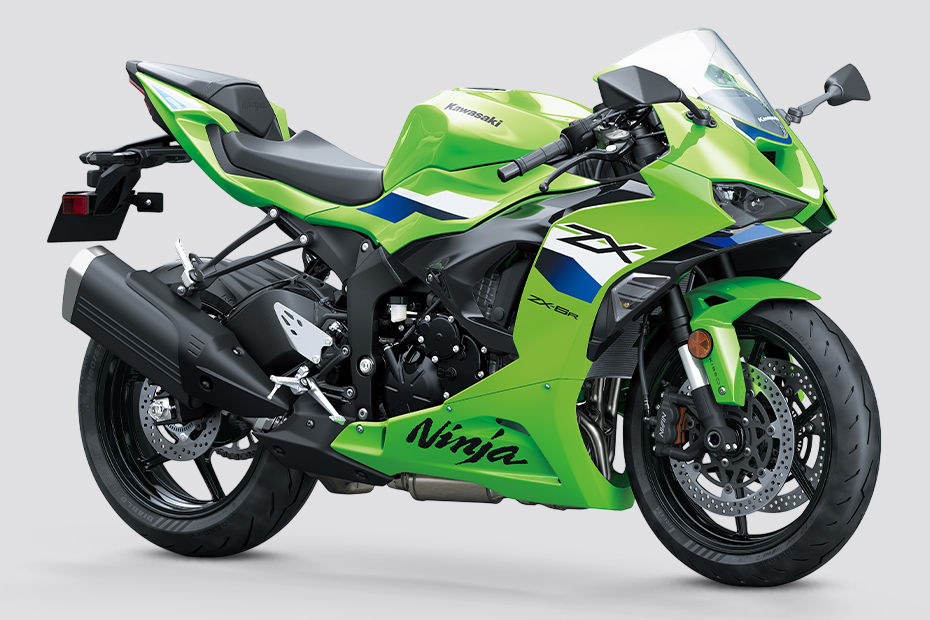
Engine Architecture: 636cc Cheater Motor vs 599cc Pureblood Screamer
Under the fairings, both motorcycles boast screaming 16-valve DOHC inline-four engines, but their mechanical tuning philosophies cater to different riding environments:
Kawasaki Ninja ZX-6R (The 636cc Cheater Motor):
Kawasaki famously bumped cylinder stroke to achieve 636cc displacement. That extra 37cc pays monumental dividends on public roads. The Ninja delivers 124 hp at 13,000 rpm (129 hp with Ram-Air) and an impressive 69 Nm of torque at 10,800 rpm. The torque arrives noticeably earlier in the rev range, meaning you don’t have to keep the tachometer pinned at 12,000 rpm just to merge onto highways or blast out of street corners.
Honda CBR600RR (The Pureblood 599cc Screamer):
Honda stayed strictly true to the 599cc competition homologation limit. Revving all the way to a dizzying 16,000 rpm redline, the CBR600RR generates 121 hp at 14,250 rpm and 63 Nm of torque at 11,500 rpm. Down low, it feels softer than the Kawasaki, but once the tach needle sweeps past 10,000 rpm, the Honda detonates with an intoxicating, linear top-end rush that screams like an old Formula 1 V10.
Aerodynamics & Chassis Dynamics: Winglets vs Lightweight Twin-Spar
When Honda updated the CBR600RR for the modern era, they took a page directly from the RC213V MotoGP machine by integrating functional aerodynamic front winglets into the nose cowl. These winglets generate measurable downforce at speeds over 120 km/h, pinning the front tire to the asphalt to suppress high-speed wheelies out of corners and stabilize the front end under threshold braking.
The Honda utilizes an ultra-rigid aluminum twin-spar frame paired with an iconic center-up under-tail exhaust. This mass-centralized layout gives the CBR an agile 193 kg (425 lbs) wet weight and an exceptionally narrow midsection. The Kawasaki Ninja ZX-6R tips the scales slightly heavier at 198 kg (436 lbs), using a conventional side-slung exhaust canister and an aluminum perimeter chassis that offers supreme high-speed stability through fast, sweeping sweepers.
Suspension & Braking Hardware: Showa BPF vs Tokico Monoblocs
Both bikes feature premier Japanese chassis components:
- Front Suspension: Both machines trust 41 mm Showa Big Piston Inverted Forks (BPF). The large-diameter internal damping pistons provide velvety smooth initial stroke compression and eliminate harsh hydraulic spikes when diving hard into braking zones.
- Braking Setup: The Kawasaki Ninja ZX-6R sports dual 310 mm petal discs gripped by radial-mount 4-piston Nissin monobloc calipers. The Honda CBR600RR utilizes dual 310 mm floating discs with 4-piston Tokico radial calipers, complemented by an electronically controlled steering damper (HESD) mounted beneath the top triple tree.
Electronics & Rider Aids: 6-Axis IMU vs Analog Street Focus
In the electronics department, the Honda CBR600RR leaps into the 21st century with liter-bike sophistication:
| Electronic Aid | Honda CBR600RR | Kawasaki Ninja ZX-6R |
|---|---|---|
| IMU Architecture | Bosch 6-Axis IMU (Lean-sensitive) | No IMU (Sensor-ring calculation) |
| Traction Control | 9-Level Honda Selectable Torque (HSTC) | 3-Mode KTRC (Kawasaki Traction Control) |
| Wheelie / Lift Control | 3-Level Wheelie Control | Integrated with KTRC |
| Engine Brake Control | 3-Level Selectable Engine Braking | No (Mechanical Assist & Slipper only) |
| Quickshifter | Bi-Directional (Up & Down) Standard | KQS (Upshift only standard) |
| Cockpit Display | Full-Color TFT Display | 4.3-inch Full-Color TFT with Rideology App |
| Riding Modes | 5 Modes (3 presets + 2 User customizable) | 4 Modes (Sport, Road, Rain, Rider) |
With its 6-axis IMU, the Honda CBR600RR monitors pitch, roll, and yaw in real-time, providing true Cornering ABS and pitch mitigation. It also includes an auto-blipping downshifter standard, whereas the Kawasaki’s standard quickshifter only functions on upshifts.
Track Day Lap Times vs Daily Street Rideability
Choosing between these two machines comes down to where you spend the majority of your seat time:
- On the Racetrack: The Honda CBR600RR is the sharper scalp. Its downforce winglets, bi-directional quickshifter, 6-axis IMU cornering safety net, and free-revving 16,000 rpm top-end allow advanced riders to carry blistering mid-corner speed and brake deeper with absolute confidence.
- On the Street & Canyons: The Kawasaki Ninja ZX-6R is vastly superior. That extra 37cc gives the 636 an effortless midrange that doesn’t punish you if you drop out of the powerband. The riding posture—while still aggressive—is slightly more accommodating than the Honda’s hyper-compact race crouch.
US Insurance, Maintenance & Ownership Cost Comparison
Both the ZX-6R and CBR600RR benefit immensely from sitting in the sub-750cc insurance bracket in the United States, escaping the punitive $3,000+ premiums charged for 1000cc superbikes (as analyzed in our 2026 Superbike Ownership & Insurance Costs Guide).
Expect average full-coverage insurance premiums on either machine to range between $900 and $1,400 annually for riders over 25 with clean records. Japanese four-cylinder reliability also means simple valve clearance intervals every 15,200 miles (Kawasaki) to 16,000 miles (Honda), making both motorcycles remarkably affordable to maintain over a 5-year ownership horizon.
Kawasaki Ninja ZX-6R vs Honda CBR600RR: Full Specifications Table
| Technical Specification | Kawasaki Ninja ZX-6R | Honda CBR600RR |
|---|---|---|
| Engine Displacement | 636cc Inline-Four | 599cc Inline-Four |
| Bore x Stroke | 67.0 mm x 45.1 mm | 67.0 mm x 42.5 mm |
| Peak Horsepower | 124 hp @ 13,000 rpm (129 hp Ram-Air) | 121 hp @ 14,250 rpm |
| Peak Torque | 69 Nm @ 10,800 rpm | 63 Nm @ 11,500 rpm |
| Redline | 15,500 rpm | 16,000 rpm |
| Front Suspension | 41 mm Showa BPF, fully adjustable | 41 mm Showa BPF, fully adjustable |
| Brakes (Front) | Dual 310 mm petal discs, Nissin 4-piston calipers | Dual 310 mm discs, Tokico 4-piston calipers |
| Electronics Suite | KTRC (3-mode), KQS (Upshift only) | 6-Axis IMU, HSTC, Bi-Directional Quickshifter |
| Wet Weight | 198 kg (436 lbs) | 193 kg (425 lbs) |
| Seat Height | 830 mm (32.7 in) | 820 mm (32.3 in) |
| Fuel Capacity | 17.0 Liters (4.5 gal) | 18.0 Liters (4.8 gal) |
| Exhaust Layout | Low-slung side silencer | Under-tail center-up exhaust |
| Base Price (USA MSRP) | $11,399 – $12,399 USD | $12,199 – $13,199 USD |
| Expected Price (India) | ₹11.20 lakh (ex-showroom) | ~₹12.50 lakh (ex-showroom) |
The Verdict: Which 600cc Screamer Belongs in Your Garage?
As the motorcycling landscape rapidly transitions toward lower-revving twins, these two machines stand as glorious monuments to high-revving motorsport engineering:
Choose the Honda CBR600RR if you are a track-day purist who demands state-of-the-art 6-axis IMU rider aids, functional aerodynamic winglets, an auto-blipping quickshifter, and the visceral thrill of holding an engine singing past 15,000 rpm on the racetrack.
Choose the Kawasaki Ninja ZX-6R if you want the ultimate real-world sportbike: usable low-to-midrange torque from the 636cc motor, aggressive styling, lower purchase price, and proven daily reliability that shines on canyon roads and commutes alike.
Which 600cc screamer would you choose before the inline-four era comes to a close? Drop a comment below and explore our companion comparison on the Yamaha YZF-R9 vs Aprilia RS 660!


